


Mechanism of confinement enhancing enzyme intrinsic activity
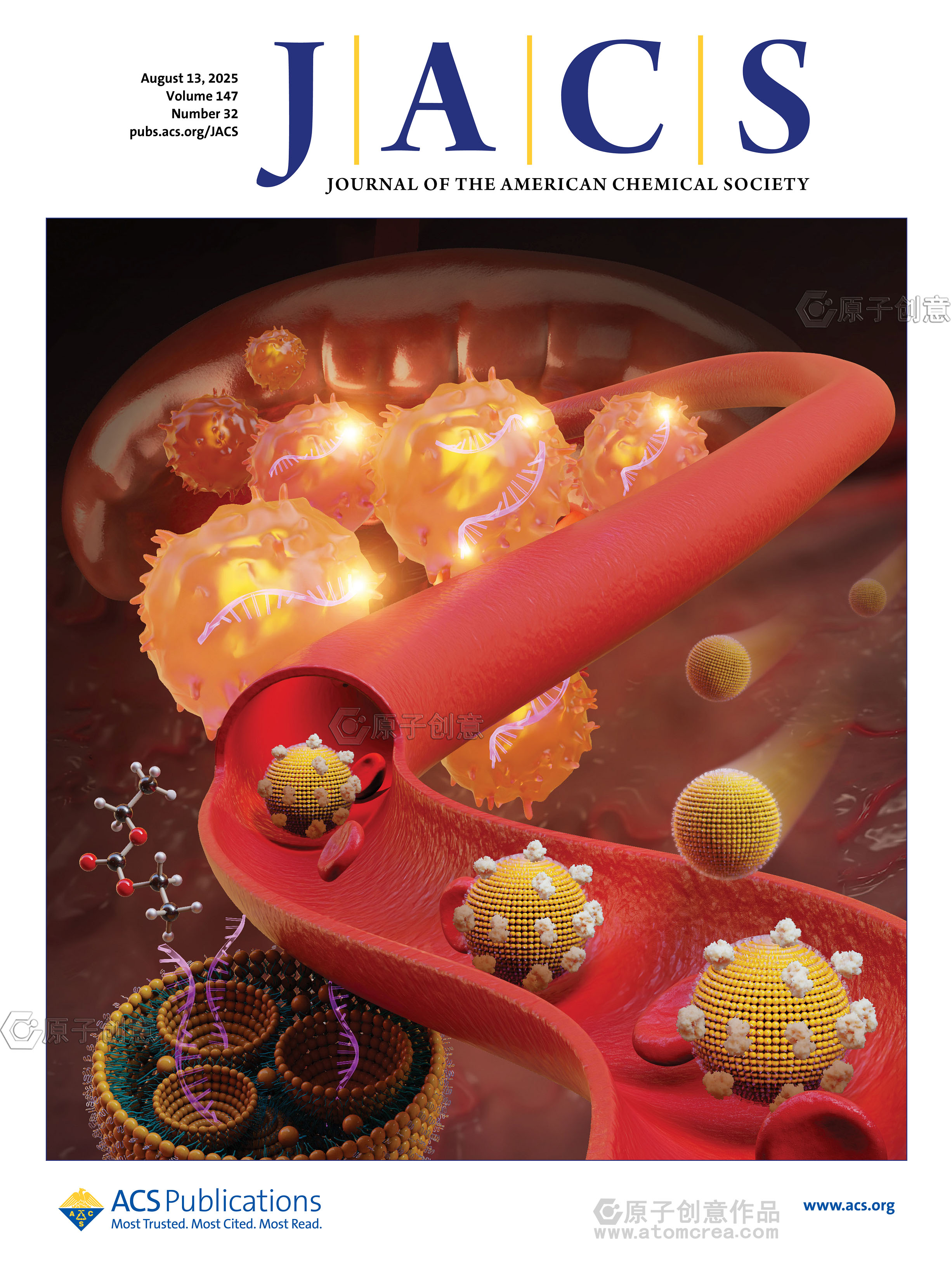
Enzymatic catalysis within surface- and volume-confined environments is common in biological cells or industrial applications. Despite their prevalence both in vivo and in vitro, a comprehensive mechanistic understanding of how these confinements tune the intrinsic activity of enzymes has remained elusive. Herein, we explore the role of confinement in shaping the activity of enzymes. Experiments show that the confinements induced by macromolecular crowding enhance lipase activity. To uncover the origin of the activity enhancement, thermodynamic activation parameters of lipase catalysis were calculated through extensive molecular dynamics (MD) and empirical valence bond (EVB) simulations. The EVB approach has proven to be an efficient method, enabling extensive sampling via MD and the evaluation of thermodynamic activation parameters for enzyme catalysis. Our findings reveal that confinement applied at the loop regions of lipase leads to higher intrinsic activities, and this effect depends on the degree of confinement. The lower free energy of activation originates from the gain of both enthalpy and entropy. Better preorganization of the active site and greater conformational space overlap between initial and transition states enhance lipase catalysis. We observe that the catalytic enhancement due to surface confinement is not exclusive to lipase but extends to PETase, highlighting its potential universality as a principle for enzyme design and engineering.








暂无评论内容