

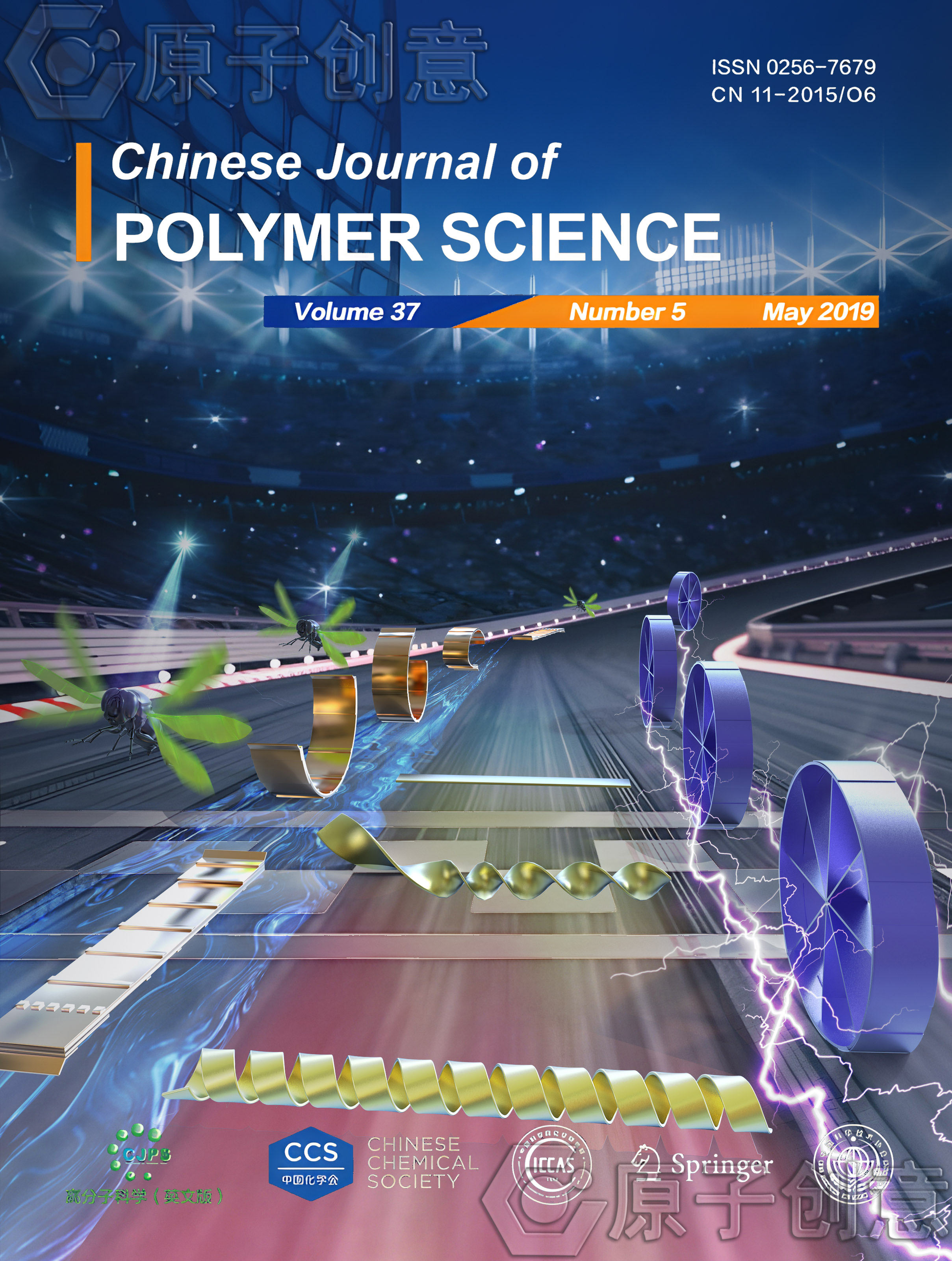
Autonomous Soft Robots: Self-regulation, Self-sustained, and Recovery Strategies
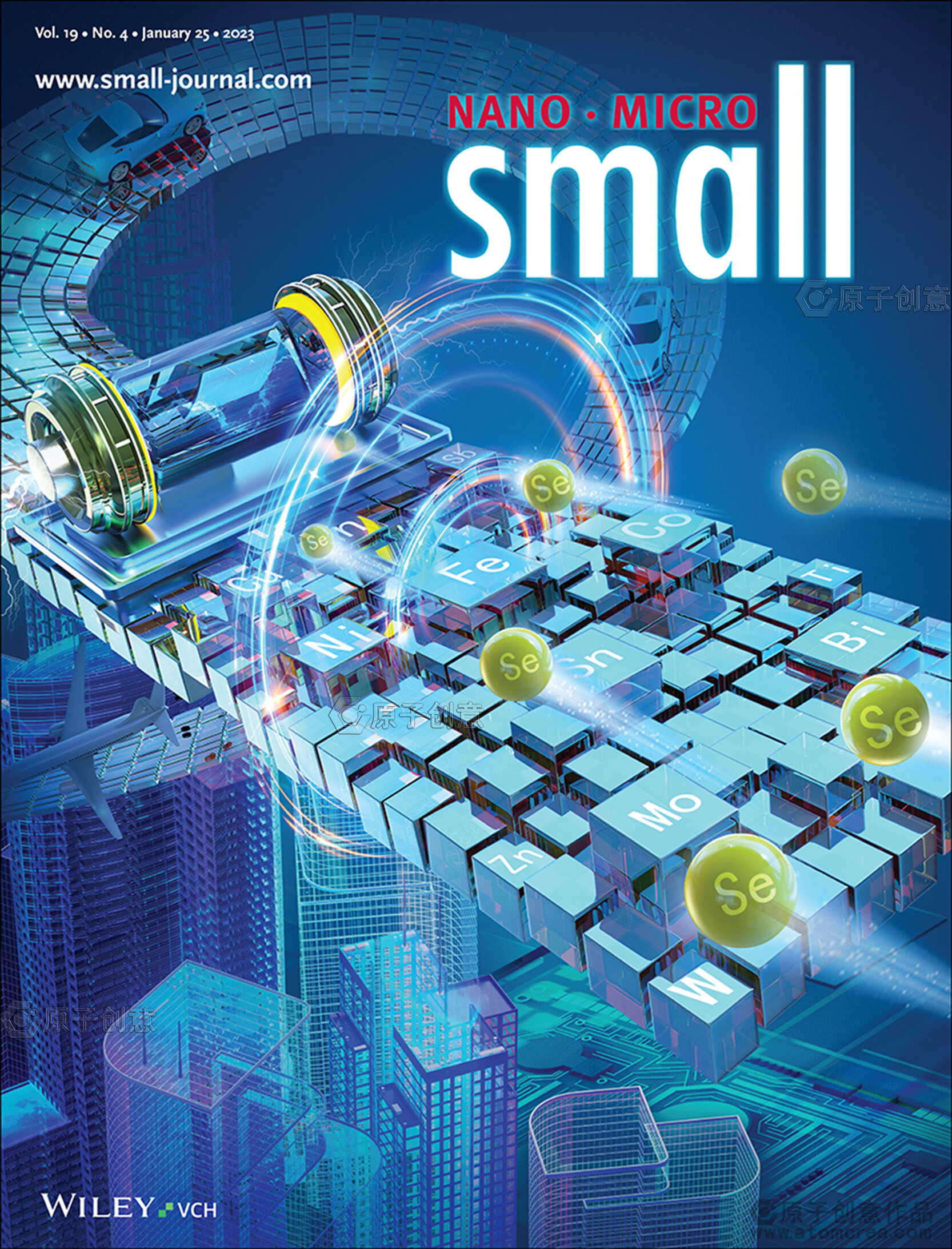
Autonomous, adaptable, and multimodal locomotion capabilities, which are crucial for the advanced intelligence of biological systems. A prominent focus of investigations in the domain of bionic soft robotics pertains to the emulation of autonomous motion, as observed in natural organisms. This research endeavor faces the challenge of enabling spontaneous and sustained motion in soft robots without relying on external stimuli. Considerable progress has been made in the development of autonomous bionic soft robots that utilize smart polymer materials, particularly in the realms of material design, microfabrication technology, and operational mechanisms. Nonetheless, there remains a conspicuous deficiency in the literature concerning a thorough review of this subject matter. This study aims to provide a comprehensive review of autonomous soft robots that have been developed based on self-regulation strategies that encompass self-propulsion, self-oscillation, multi-stimulus response, and topological constraint structures. Furthermore, this review engages in an in-depth discussion regarding their tunable self-sustaining motion and recovery capabilities, while also contemplating the future development of autonomous soft robotic systems and their potential applications in fields such as biomechanics.







暂无评论内容