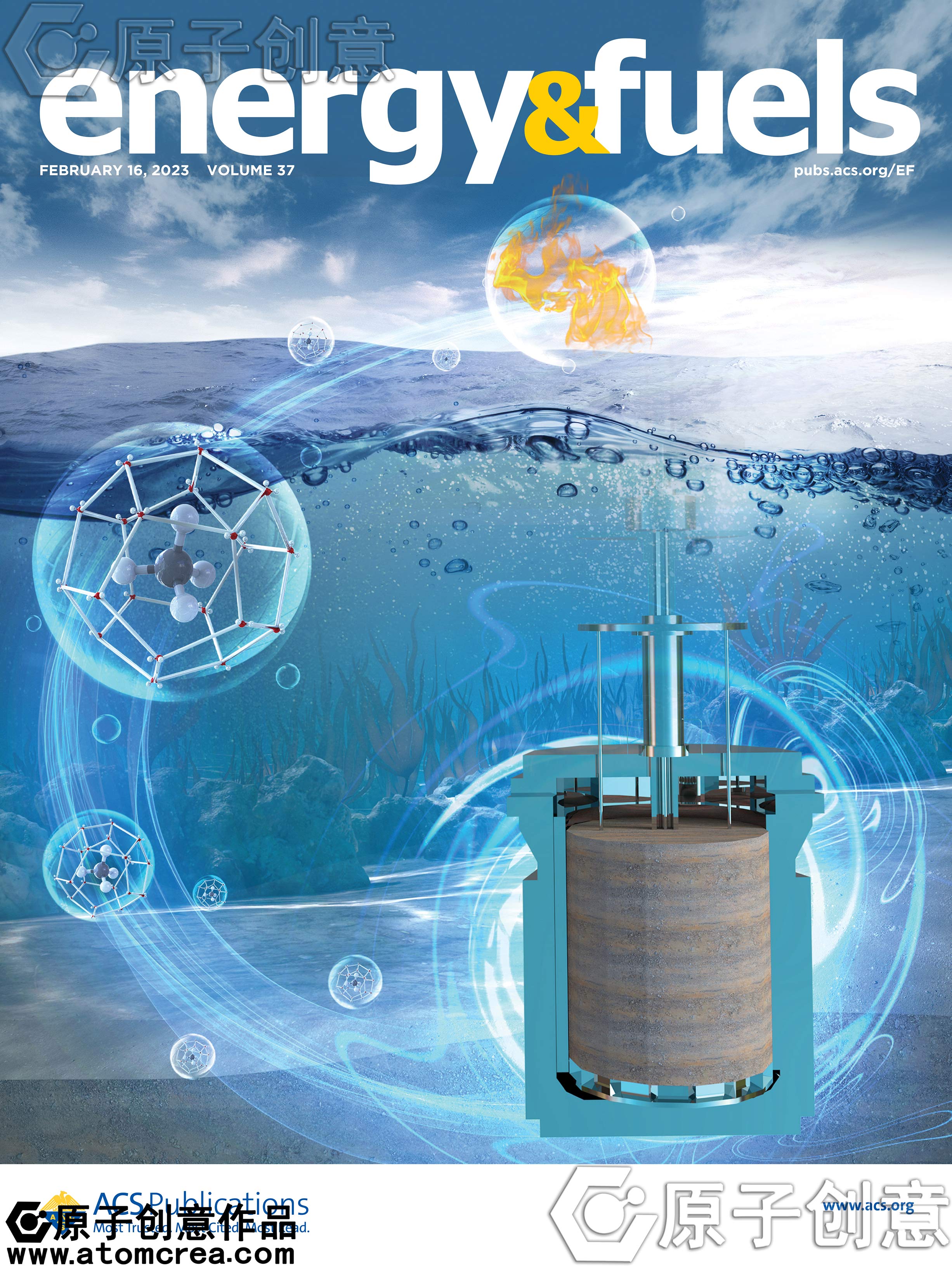


Experimental Investigation of Hydrate Production via Deep Depressurization Using a Large-Scale Laboratory Reactor
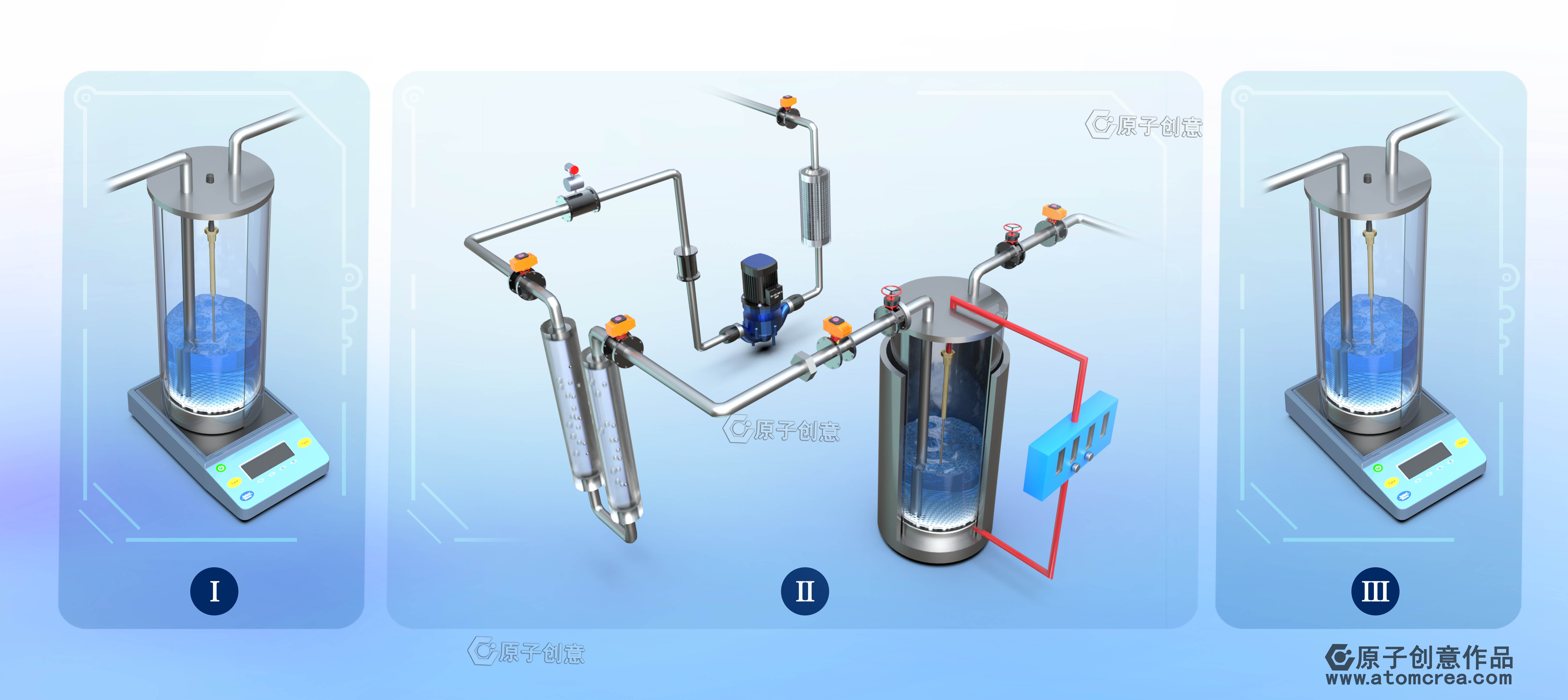
Experimentally investigating hydrate formation and gas recovery in large-scale reactors is essential to simulate and evaluate the potential of gas production and flow features during hydrate dissociation in field hydrate-bearing deposits. In this study, a 521 L drilling–production–sand flow protect integrated reactor “FLYS” (field-like hydrate system) was set up in our laboratory to achieve the goal of “approximate-approximate-reapproach” for hydrate production simulation. The maximum pressure limit of the reactor is 30.0 MPa, which can allow for the simulation of the majority of accumulation conditions of field hydrates. The hydrate formation experiments were conducted using methane gas, and the saturation level of the synthesized hydrate was ∼20%, with excess gas. The effectiveness of the reactor was verified. Hydrate production was based on deep depressurization, and the production performance during hydrate dissociation was elucidated. The experimental results showed that the whole hydrate recovery process can be generally divided into four stages, and the evolutions of temperature and pressure during the production were not exactly consistent with the hydrate phase equilibrium curve. Blockage of the system bottom owing to the clogging of sand migration or possible ice formation was identified during gas recovery, and the mechanism of the blockage process was proposed. The results indicated that the short-period partial blockage would not be a problem as it would be damaged and the flow pore connection would recover again, resulting in continuous gas production.








暂无评论内容