

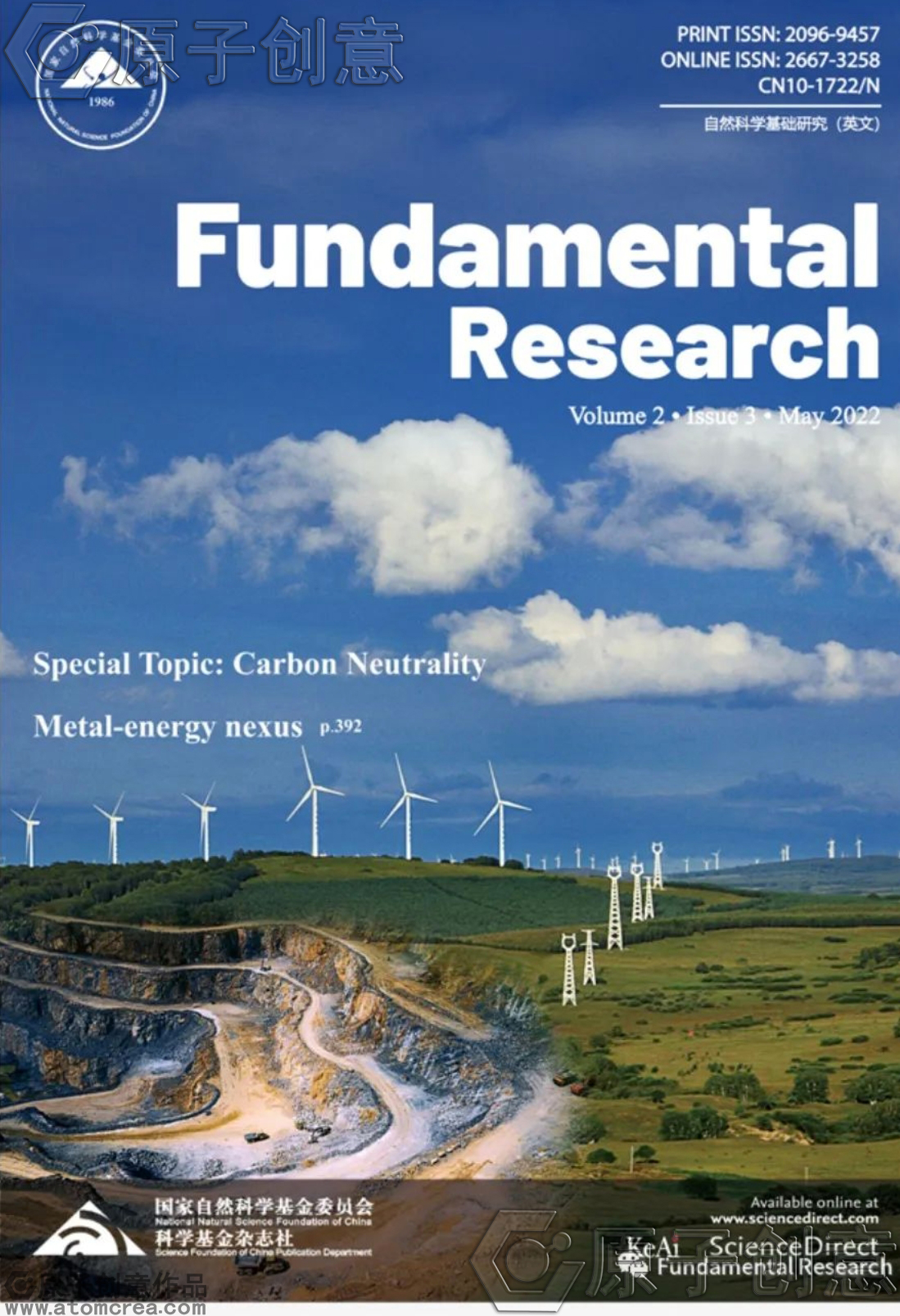
Carbon neutrality needs a circular metal-energy nexus
Carbon neutrality is gaining international political traction to avert the pressing climate crisis, which will evoke a systematic transformation in all industrial and service sectors. Among these, materials and energy are critical provisioning systems that are pivotal to the key functions of modern society. Previous studies have highlighted the urgent need for low-carbon transition in the energy system (i.e., renewable energy expansion, electrification, negative emission technologies, energy efficiency, etc.) [1], or have only focused on the material system (i.e., material efficiency, eco-design, recycling, production technologies breakthroughs, etc.) [2,3]. Some of these proposed actions may reinforce, redistribute, or create new burdens that may intensify climate mitigation difficulties [4]. Nexus thinking has been proposed as a key approach to address these systematic challenges










暂无评论内容